Pulau Pangkor Travel Guide: The Perak Island That Locals Love
Quiet beaches, fresh seafood, Dutch colonial history, and a pace of life that feels like Malaysia used to be — your complete guide to Pulau Pangkor.

Pulau Pangkor does not try to impress you. There is no cable car, no luxury resort strip, no Instagram-famous viewpoint with a queue of tourists. What there is: quiet beaches that are genuinely quiet, seafood so fresh it was swimming that morning, a Dutch colonial fort that most visitors walk straight past, and a pace of life that feels like Malaysia used to be before the tourist infrastructure caught up.
Pangkor is the island that Malaysians go to when they want a proper break. It is close to the mainland (a 30-minute ferry from Lumut), affordable, and unhurried. The fishing village of Sungai Pinang Kecil still smells of salted fish drying in the sun. The beach at Teluk Nipah is long, clean, and rarely crowded. And the island is small enough to explore by motorbike in a single day.
It is not the most spectacular island in Malaysia. It is, however, one of the most genuinely relaxing.
Understanding Pulau Pangkor
Pangkor is a small island — approximately 8 km long and 2 km wide — off the coast of Perak, about 90 km south of Ipoh. The island has a mountainous jungle interior and a series of villages and beaches along the coast. A sealed road circles most of the island, making it easy to explore by motorbike or bicycle.
Pangkor Town is the main settlement on the east coast, near the ferry terminal. It is a working fishing village with a market, shops, and restaurants. Not a tourist destination in itself, but worth a walk to see the real life of the island.
Sungai Pinang Kecil (SPK) is the most atmospheric village on the island — a traditional fishing community where salted fish and dried seafood are still produced in the old way. The smell is distinctive. The wooden houses on stilts over the water are beautiful. A short walk through the village is one of the most authentic experiences on Pangkor.
Teluk Nipah is the main beach area on the west coast — a long, curved beach with calm water, budget chalets, and a relaxed atmosphere. The best base for most visitors.
Pasir Bogak is the other main beach, slightly south of Teluk Nipah. More developed, with a few mid-range resorts, but less atmospheric than Nipah.
Pangkor Laut is a private island just off the south coast, home to the exclusive Pangkor Laut Resort. Day visitors are not permitted — it is accessible only to resort guests.
Top Attractions & Activities
Teluk Nipah Beach
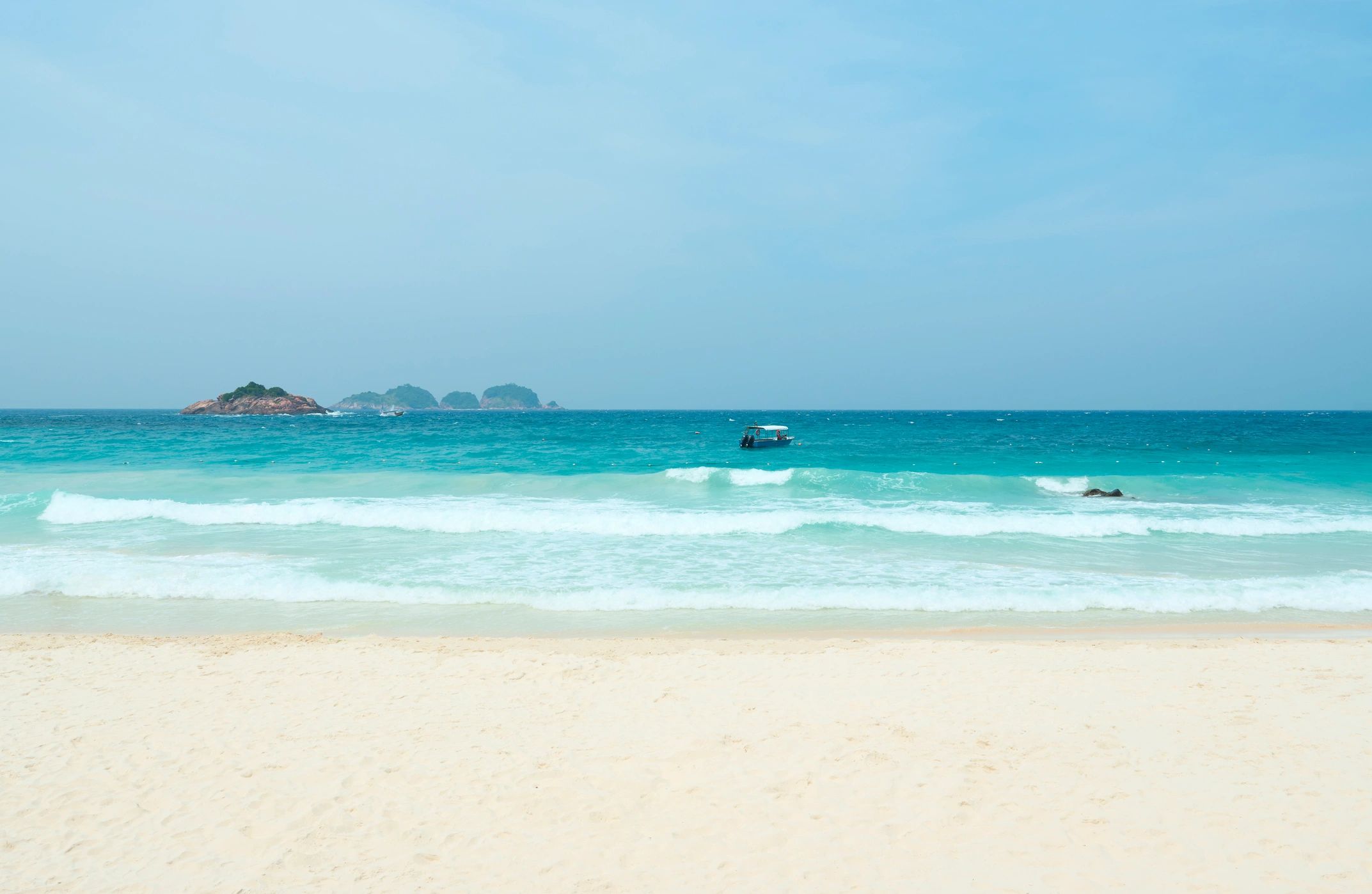
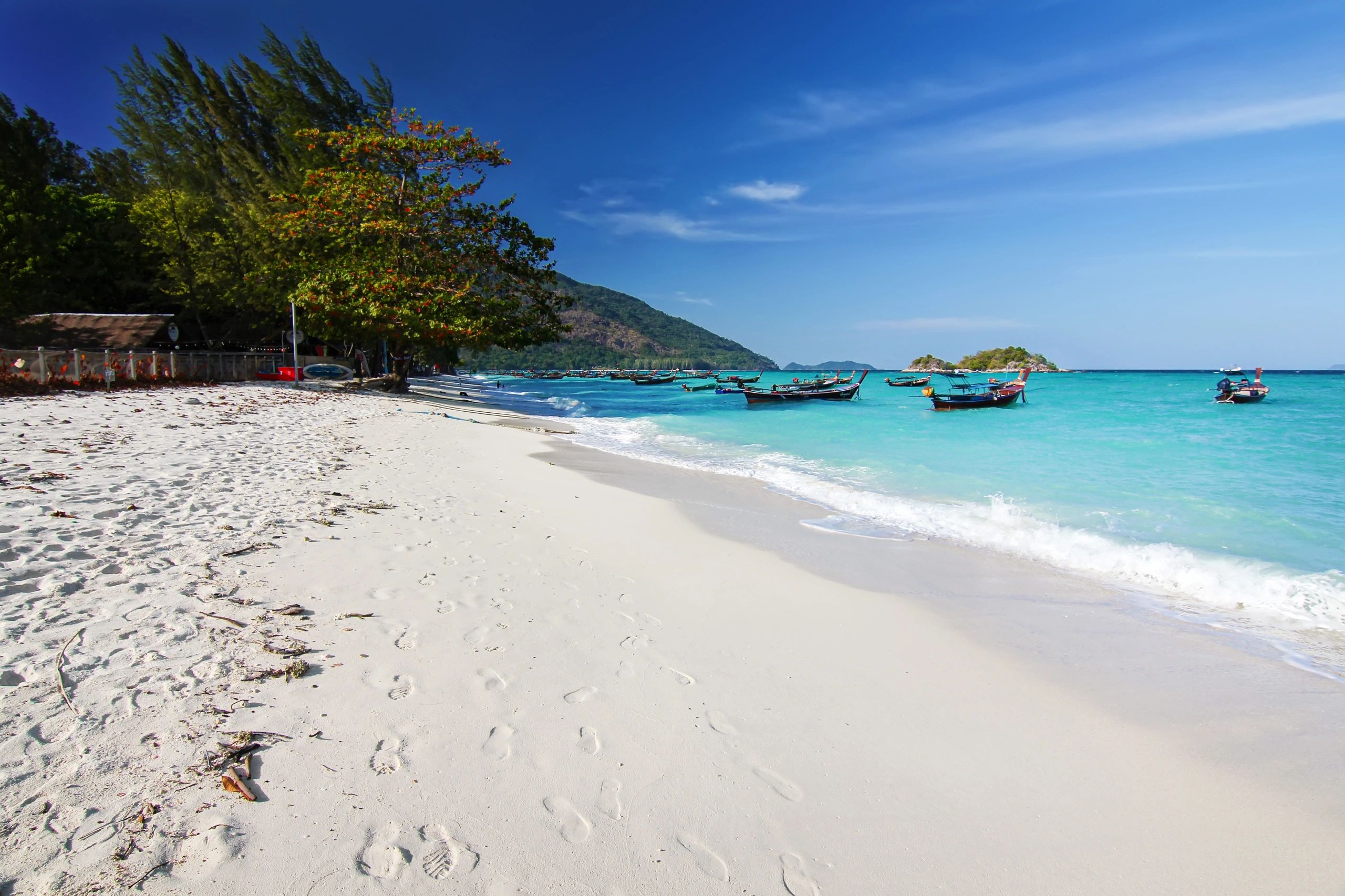
The best beach on the island — a long, gently curving stretch of sand with calm, clear water and a backdrop of jungle-covered hills. The beach faces west, which means spectacular sunsets. The water is shallow and calm, making it ideal for swimming and snorkelling. The beach is lined with budget chalets, small restaurants, and a few dive and snorkelling operators.
Best time to visit: Late afternoon for the sunset. Morning for the calmest water and best snorkelling visibility.
Teluk Belanga (Golden Beach)
A small, secluded cove on the northwest coast, accessible by motorbike or a short walk from the road. The beach is sheltered, the water is calm, and it is rarely crowded even during peak season. The sand is fine and golden — hence the name. One of the most beautiful small beaches on the island.
Dutch Fort (Kota Belanda)
Built by the Dutch East India Company (VOC) in 1670 and rebuilt in 1743, the Pangkor Dutch Fort is one of the oldest colonial structures in Malaysia. The fort was built to protect the Dutch tin trade from Perak, and the carved VOC monogram is still visible on the original stonework.
The fort is small and partially restored, but the historical significance is considerable — the 1874 Pangkor Treaty, which established British control over Perak and effectively began the colonial administration of the Malay Peninsula, was signed on this island. A small information board explains the history.
Practical info: The fort is on the east coast, about 2 km south of Pangkor Town. Free entry. Open daily. A 10-minute stop on a motorbike tour of the island.
Sungai Pinang Kecil Fishing Village
The most authentic experience on Pangkor — a walk through the traditional fishing village of SPK, where the salted fish industry that has sustained the island for generations is still very much alive. Wooden racks of salted fish dry in the sun along the waterfront. Fishing boats are repaired on the beach. The smell is powerful and unmistakable.
The village is also home to the Fu Lin Kong Temple — a Chinese temple complex built into a hillside, with a miniature Great Wall of China, a small zoo, and a collection of religious statues. Quirky, colourful, and worth 30 minutes of your time.
Practical info: SPK is on the east coast, 3 km south of Pangkor Town. Accessible by motorbike or the island bus.
Snorkelling
The water around Pangkor is not as clear as Tioman or the Perhentians, but there is decent snorkelling at several spots around the island. The best snorkelling is at Coral Bay (Teluk Keruing) on the northwest coast — a small bay with a rocky reef and reasonable coral cover. Snorkelling gear rental is available at Teluk Nipah for RM 15–20/day.
Motorbike Tour of the Island
The best way to see Pangkor is by motorbike. The sealed road circles most of the island in about 20 km — a 2–3 hour loop that takes in all the main beaches, the fishing villages, the Dutch fort, and several viewpoints. Motorbike rental is available at the ferry terminal and at Teluk Nipah for RM 30–50/day.
Suggested route: Teluk Nipah → Teluk Belanga → Sungai Pinang Besar → Pangkor Town → Dutch Fort → Sungai Pinang Kecil → Fu Lin Kong Temple → Pasir Bogak → back to Teluk Nipah.
Sunset Watching
Pangkor faces west, which means the sunsets from Teluk Nipah and Teluk Belanga are spectacular. The sun drops into the Strait of Malacca, turning the water gold and orange. Find a spot on the beach, order a fresh coconut, and watch. This is what Pangkor is for.
Travel by Style
For Beach Lovers
Teluk Nipah is the main event — a long, clean beach with calm water and a relaxed atmosphere. Arrive in the morning for the best snorkelling, spend the afternoon on the beach, and stay for the sunset. The beach is at its best on weekdays when the weekend crowd from the mainland has gone home.
For Food Lovers
Pangkor is a seafood destination. The fishing industry is the backbone of the island's economy, and the freshness of the seafood reflects that. The seafood restaurants along the Teluk Nipah beachfront serve fish, prawns, squid, and crab that were caught the same morning. Order by weight, choose your cooking style, and eat with your feet in the sand.
For History Buffs
The Dutch Fort and the story of the Pangkor Treaty make Pangkor one of the most historically significant islands in Malaysia. The treaty signed here in 1874 changed the course of Malaysian history — it was the moment the British formally extended their control over the Malay states. The fort itself is modest, but the context is extraordinary.
For Budget Travellers
Pangkor is one of the most affordable island destinations in Malaysia. Budget chalets at Teluk Nipah start from RM 40–60/night. Food is cheap — a full seafood dinner for two costs RM 40–60 at the beachfront restaurants. The ferry from Lumut costs RM 10 each way. A comfortable budget trip to Pangkor is achievable for RM 80–120/day all-in.
For Families
Pangkor is excellent for families with young children. The water at Teluk Nipah is calm and shallow, the beach is clean, and the island is small enough that nothing is far away. The Fu Lin Kong Temple is a hit with children — the miniature Great Wall, the animals, and the colourful statues are endlessly entertaining. The motorbike tour of the island is a fun family adventure.
Where to Stay
Nipah Bay Villa (RM 80–180/night) — A well-run resort on Teluk Nipah beach with comfortable chalets, a good restaurant, and direct beach access. One of the best mid-range options on the island.
Pangkor Sandy Beach Resort (RM 60–120/night) — Budget chalets on Pasir Bogak beach. Simple but clean, with a friendly atmosphere and a good location for exploring the island.
Pangkor Island Beach Resort (RM 200–400/night) — The most comfortable mid-range resort on the island, with a swimming pool, a beachfront restaurant, and well-appointed rooms. A good choice for those who want more comfort without the Pangkor Laut price tag.
Pangkor Laut Resort (RM 1,500–4,000/night) — The legendary luxury resort on its own private island. Sea villas on stilts above the water, a world-class spa, and exceptional service. One of the finest resort experiences in Malaysia. Worth saving up for.
Local Food
Pangkor's food scene is built around one thing: seafood. The island's fishing industry produces some of the freshest fish and shellfish in Perak, and the restaurants along Teluk Nipah beachfront make the most of it.
What to eat:
Ikan bakar (grilled fish) — The island specialty. Fresh fish grilled over charcoal and served with rice, sambal, and ulam (raw vegetables). Order at any of the beachfront restaurants in the evening.
Salted fish (ikan masin) — Pangkor is famous throughout Malaysia for its salted fish, produced in the traditional way in the SPK fishing village. Buy a packet to take home — it keeps well and is a genuine taste of the island.
Seafood noodles — The Chinese coffee shops in Pangkor Town serve excellent seafood noodles — thick rice noodles in a rich prawn broth, topped with fresh prawns and fish balls. A RM 8–12 bowl that is worth the trip to town.
Coconut shake — A Pangkor specialty — fresh coconut water blended with coconut flesh and ice. Available at the beachfront stalls for RM 5–8.
Budget Breakdown
| Category | Budget | Mid-Range | Splurge |
|---|---|---|---|
| Accommodation | RM 40–80/night | RM 120–250/night | RM 400–4,000/night |
| Food | RM 25–40/day | RM 50–100/day | RM 150–300/day |
| Activities | RM 30–50/day | RM 60–120/day | RM 150–300/day |
| Ferry (Lumut return) | RM 20 | RM 20 | RM 20 |
| Daily total | RM 80–120 | RM 180–350 | RM 600–4,000 |
Insider Tips
- Visit on a weekday. Pangkor is a popular weekend destination for Malaysians from Ipoh and KL. The island is noticeably quieter and more relaxed from Monday to Thursday.
- Rent a motorbike on your first morning. The island is small enough to circle in 2–3 hours. A motorbike gives you the freedom to stop wherever you want and explore the less-visited beaches and villages.
- The best seafood is in Pangkor Town, not at the tourist restaurants on Teluk Nipah. Walk to the Chinese coffee shops and seafood restaurants near the market for fresher fish and lower prices.
- Buy salted fish to take home. The salted fish from SPK is a genuine Pangkor specialty — vacuum-packed versions are available at the shops near the ferry terminal and keep well.
- The last ferry back to Lumut is typically around 7pm–8pm. Check the current schedule at the ferry terminal on arrival and plan your last day accordingly.
- Bring cash. There are ATMs in Pangkor Town but they can be unreliable. Bring enough from the mainland for your stay.
- The water at Teluk Nipah is calmest in the morning. If you want to snorkel, go before 10am — the afternoon wind picks up and reduces visibility.
- Pangkor Laut is private — day visitors are not permitted. Do not attempt to land on the island without a resort booking.
Photography Highlights
Sunset at Teluk Nipah — The west-facing beach catches the full sunset over the Strait of Malacca. The silhouettes of the fishing boats against the orange sky are a classic Pangkor image. Best position: the northern end of the beach where the boats are moored.
Sungai Pinang Kecil fishing village — The wooden houses on stilts, the drying racks of salted fish, and the fishing boats on the beach make for extraordinary documentary photography. Shoot in the morning when the light is soft and the fishermen are working.
Teluk Belanga (Golden Beach) — The small, secluded cove with its golden sand and calm water is one of the most beautiful beach photographs on the island. Best light: late afternoon when the sun is low and the sand glows.
Fu Lin Kong Temple — The colourful statues, the miniature Great Wall, and the hillside setting make for unusual and striking photographs. Best light: morning.
Best and Worst Times to Visit
Best time: March to October. The southwest monsoon keeps the west coast of Peninsular Malaysia relatively dry and the sea calm. April to June is ideal — the weather is settled, the water is clear, and the island is not crowded.
Shoulder season: November and early December. Some rain but the island is quiet and accommodation is easy to find.
Worst time: January and February. The northeast monsoon brings rain and rough seas. The island is quieter but some accommodation closes. Not the best time for beach activities.
Getting There
By ferry from Lumut, Perak (30 minutes): The main gateway to Pangkor. Ferries run frequently throughout the day (approximately every 30–45 minutes from 7am to 7pm). Ferry ticket RM 10 one way. Lumut is 3 hours from KL by bus (from TBS) or 1 hour from Ipoh by bus or car.
By car to Lumut: Drive north from KL on the North-South Expressway (E1) to the Gopeng exit, then west on Route 60 to Lumut. Total distance approximately 250 km, 2.5–3 hours.
By bus from KL: Buses from TBS run to Lumut several times daily. Journey time approximately 3 hours. From Lumut bus terminal, it is a 5-minute walk to the ferry jetty.
Final Thoughts
Pangkor will not blow your mind. It will not give you the most dramatic scenery in Malaysia or the most spectacular diving. What it will give you is exactly what it promises: a quiet beach, fresh seafood, a cold drink at sunset, and a few days of genuine rest.
In a country full of destinations competing for your attention, there is something to be said for an island that simply does not try that hard. Pangkor has been doing this for a long time. It knows what it is. And what it is, is exactly what a lot of people need.
Explore Topics
Written by
MyTravelTip2U
Content creator and writer sharing insights and stories.