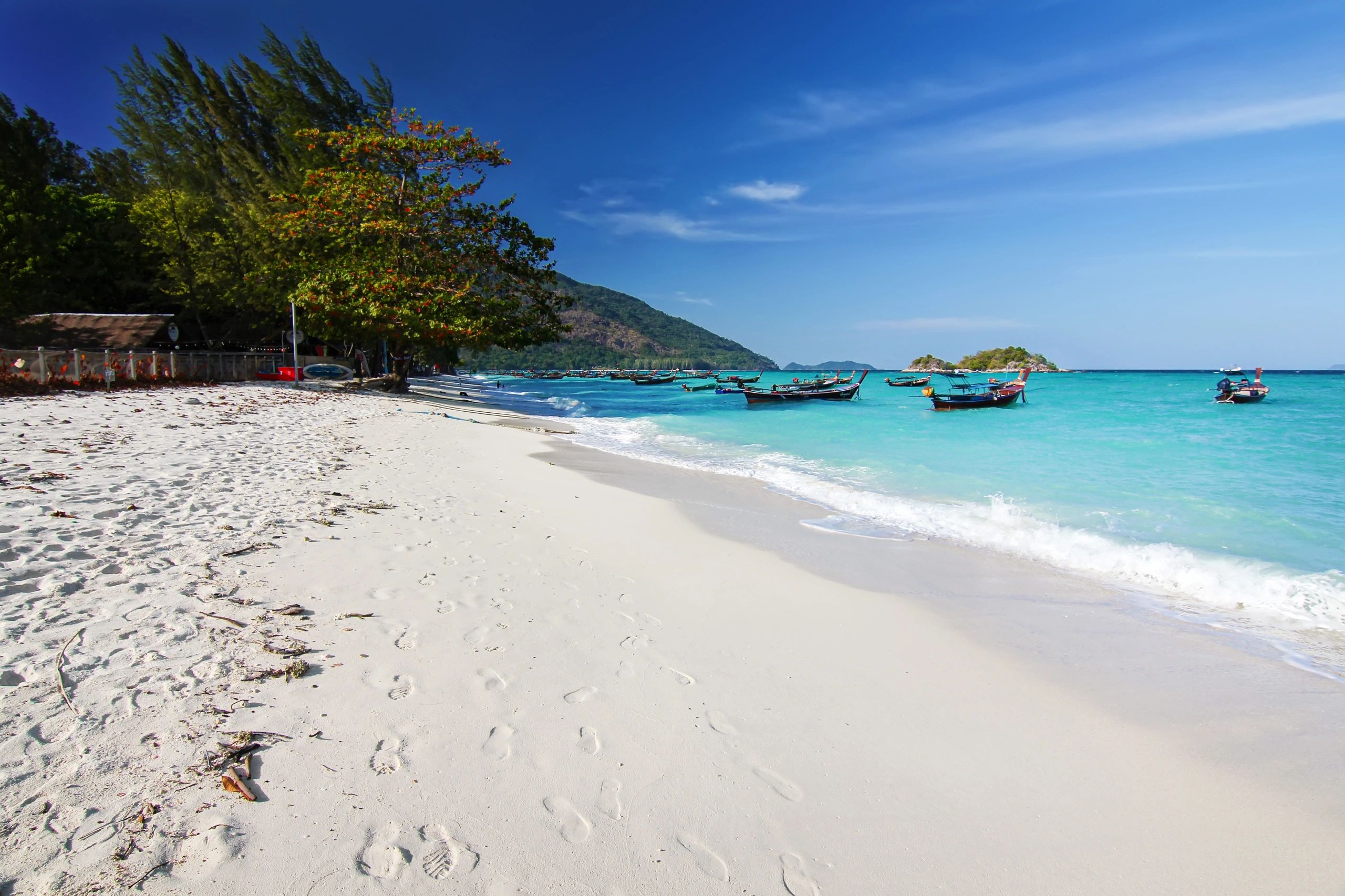
Langkawi Travel Guide: The Ultimate Island Escape in Malaysia
Cable cars, duty-free shopping, pristine beaches, and mangrove jungles — your complete guide to Langkawi with budget tips, best hotels, and when to visit.
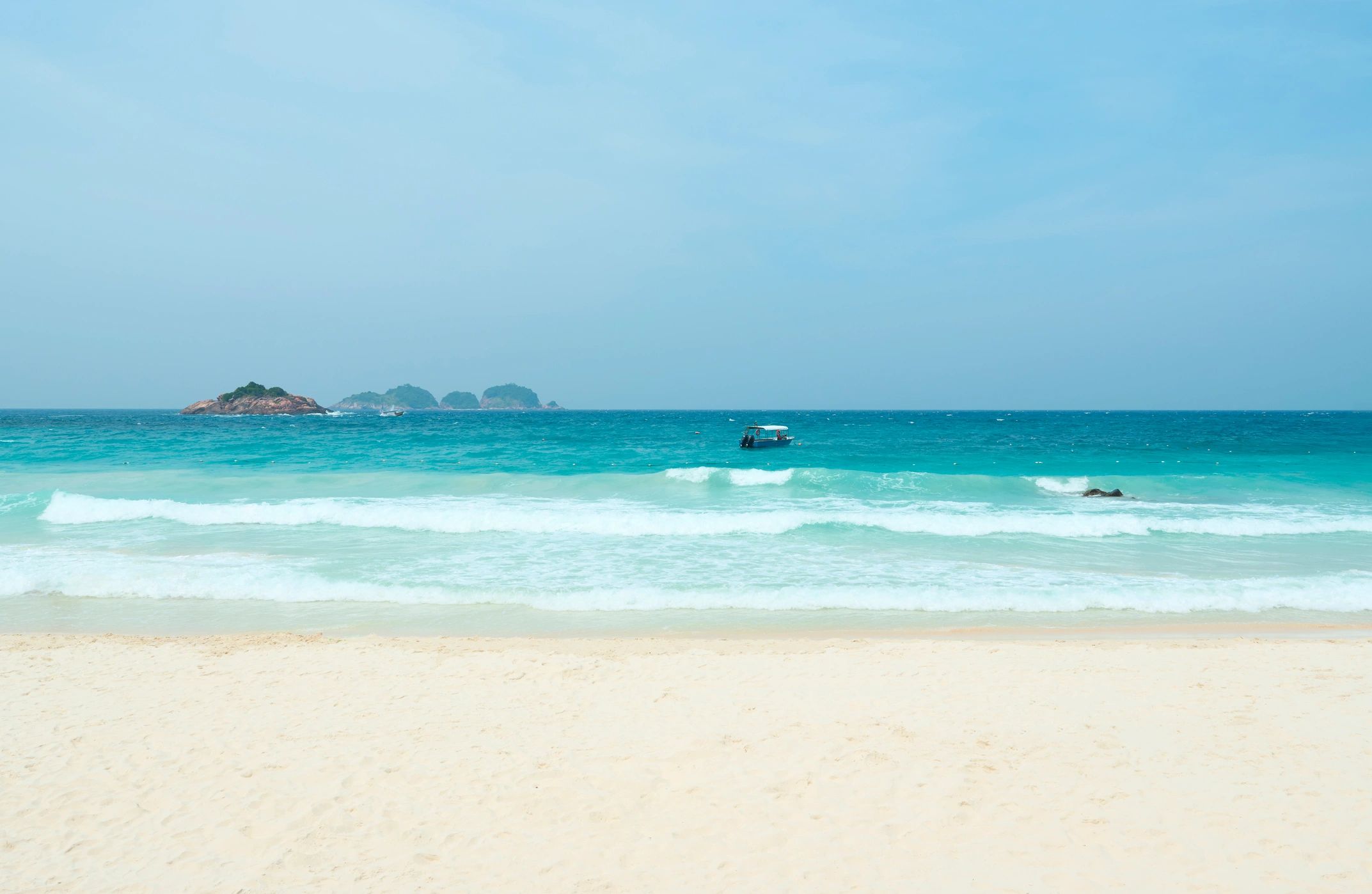
There is a moment on the Langkawi SkyCab — suspended 700 metres above the rainforest canopy, the Andaman Sea spreading out in every direction — when you understand exactly why people keep coming back to this island. Langkawi is not just beautiful. It is the kind of beautiful that makes you rearrange your plans and stay an extra few days.
Malaysia's most famous island sits off the northwest coast of Peninsular Malaysia, just 30 kilometres from the Thai border. It is a UNESCO Global Geopark, a duty-free zone, and home to some of the finest beaches in Southeast Asia. Whether you are after adventure, relaxation, or simply the best seafood of your life eaten barefoot on the sand, Langkawi delivers.
Here is everything you need to plan the perfect trip.
Top Attractions in Langkawi
Langkawi SkyCab & SkyBridge
The Langkawi Cable Car (SkyCab) is the island's most iconic experience — a gondola ride up the steep slopes of Gunung Mat Cincang, the second-oldest rainforest in the world. The views from the top station at 700 metres are extraordinary: jungle-covered peaks, the Andaman Sea, and on a clear day, the islands of Thailand on the horizon.
At the top, the Langkawi SkyBridge — a curved pedestrian suspension bridge hanging 100 metres above the forest floor — is one of the most dramatic walkways in Southeast Asia. It sways gently underfoot, which is either thrilling or terrifying depending on your relationship with heights.
Practical info: Cable car tickets cost RM 55 for adults (RM 40 for children). Buy online in advance — queues can be very long during peak season. The cable car closes for maintenance several times a year; check the official website before visiting.
Pantai Cenang — The Main Beach Strip
Langkawi's most popular beach is a 2km stretch of white sand lined with restaurants, beach bars, watersports operators, and budget guesthouses. The water is warm and calm, the sunsets are spectacular, and the duty-free alcohol means a cold beer on the beach costs a fraction of what you would pay elsewhere in Malaysia.
Pantai Cenang is the social heart of the island — lively, accessible, and great for first-time visitors. It can get crowded during school holidays, but there is always space to find a quiet patch of sand.
Pantai Tengah — The Quieter Alternative
Just south of Pantai Cenang, Pantai Tengah is a longer, less developed beach with a more relaxed atmosphere. The water is slightly calmer, the restaurants are less touristy, and the crowd is a mix of couples, families, and long-stay travellers. A good choice if you want beach life without the Pantai Cenang buzz.
Kilim Karst Geoforest Park & Mangrove Tour
One of Langkawi's most rewarding experiences is a boat tour through the Kilim Karst Geoforest Park — a protected area of mangrove forests, limestone caves, and tidal rivers in the northeast of the island. You will glide past ancient mangrove trees, spot eagles circling overhead (Langkawi means "eagle" in old Malay), and visit a floating fish farm for fresh seafood lunch.
Most tours last 3–4 hours and cost RM 80–150 per person including a guide. Book through your hotel or a reputable operator at Kilim Jetty.
Langkawi Crocodile Farm
Home to over 1,000 saltwater and freshwater crocodiles, this is one of the largest crocodile farms in Malaysia. It is not for the faint-hearted — feeding shows and handling sessions are part of the programme. Entry is RM 20 for adults. A good option for families with older children.
Dataran Lang (Eagle Square)
The giant eagle statue at Kuah Jetty is Langkawi's most photographed landmark and the first thing most visitors see when arriving by ferry. The surrounding waterfront park is pleasant for an evening stroll, and the duty-free shops in Kuah town are worth a browse for chocolate, alcohol, and cosmetics.
Underwater World Langkawi
One of the largest aquariums in Southeast Asia, with over 5,000 marine and freshwater species. The walk-through tunnel with sharks and rays overhead is impressive. Entry is RM 43 for adults. A good rainy-day activity or family outing.
Water Sports & Adventure Activities
Langkawi's calm waters and reliable winds make it one of the best places in Malaysia for water sports.
Jet skiing: RM 80–120 for 30 minutes. Available at Pantai Cenang and Pantai Tengah.
Parasailing: RM 80–100 per person. Spectacular views of the coastline from above.
Kayaking: RM 20–40 per hour. Paddle along the coast or through the mangroves.
Snorkelling trips: RM 60–100 per person for a half-day trip to the surrounding islands, including Pulau Payar Marine Park — Langkawi's best snorkelling spot with coral reefs and reef sharks.
Sailing and yacht charters: Langkawi is a major sailing hub in Southeast Asia. Day charters start from RM 400–600 for a private boat. The Royal Langkawi Yacht Club is the base for most operators.
Kitesurfing and windsurfing: The northeast monsoon (November–February) brings strong, consistent winds that make Langkawi a popular destination for kitesurfers. Several schools operate near Pantai Cenang.
Local Food: What to Eat in Langkawi
Langkawi's food scene is a mix of Malay, Thai, and seafood-heavy coastal cuisine. Here is what you should not leave without trying.
Nasi Campur
The Malay equivalent of a mixed rice plate — a mound of steamed rice surrounded by your choice of curries, vegetables, fried fish, and sambal. Eaten for breakfast, lunch, and dinner by locals. Look for the stalls with the most dishes on display; the turnover means everything is fresh. Expect to pay RM 5–10 for a generous plate.
Grilled Seafood on the Beach
The best meal you will have in Langkawi is almost certainly grilled seafood eaten at a beach restaurant at sunset. The restaurants along Pantai Cenang and Pantai Tengah serve whole grilled fish, tiger prawns, squid, and clams by weight. A seafood dinner for two with drinks costs RM 80–150 at a mid-range beach restaurant.
Recommended: Orkid Ria Seafood Restaurant and Nam Restaurant on Pantai Cenang are consistently good.
Tom Yam
Langkawi's proximity to Thailand means Thai-influenced dishes are everywhere. Tom yam soup — a hot and sour broth with lemongrass, galangal, kaffir lime, and your choice of seafood or chicken — is a staple at almost every restaurant. The versions here are often more authentic than what you will find in KL.
Roti Canai and Teh Tarik
Start every morning at a mamak stall with roti canai (flaky flatbread with curry dipping sauce) and teh tarik (pulled milk tea). The best mamak stalls are in Kuah town and around the Pantai Cenang area. Breakfast for two costs RM 8–12.
Laksa Kedah
Langkawi is part of Kedah state, and the local laksa style is distinct from the Penang version — a thicker, more savoury fish-based broth with rice noodles, topped with raw onion, cucumber, and a squeeze of lime. Try it at the morning market in Kuah or at local kopitiams away from the tourist strip.
Duty-Free Alcohol and Chocolate
Langkawi's duty-free status means alcohol is dramatically cheaper here than anywhere else in Malaysia. A bottle of wine that costs RM 80 in KL costs RM 25–35 here. Stock up at the duty-free shops in Kuah or at the shops along Pantai Cenang — you are allowed to bring a limited amount back to the mainland.
Budget Breakdown: How Much Does Langkawi Cost?
Langkawi suits every budget, from backpackers to honeymooners. The duty-free status keeps alcohol and some goods cheaper than the mainland, but accommodation prices vary widely by season.
Budget Traveller (RM 100–180 per day)
- Accommodation: Guesthouse or hostel near Pantai Cenang — RM 40–80/night
- Food: 3 meals at local stalls and mamak restaurants — RM 25–40/day
- Transport: Rented bicycle or scooter — RM 15–30/day
- Activities: Beach (free), 1 paid activity (cable car or mangrove tour) — RM 55–100
Mid-Range Traveller (RM 250–500 per day)
- Accommodation: 3–4 star resort or boutique hotel — RM 150–300/night
- Food: Mix of local stalls and beach restaurants — RM 80–120/day
- Transport: Rented car — RM 60–80/day
- Activities: Cable car + water sport + snorkelling trip — RM 150–250
Luxury Traveller (RM 800–3,000+ per day)
- Accommodation: 5-star resort (The Datai, Four Seasons, Andaman) — RM 700–2,500/night
- Food: Resort dining and fine seafood restaurants — RM 200–400/day
- Transport: Private car hire or resort transfers — RM 150–300/day
- Activities: Private yacht charter, spa treatments, private tours — RM 400–800
Money-saving tip: Rent a scooter (RM 35–50/day) rather than relying on taxis. Langkawi has no Grab service, and taxis are expensive and not metered. A scooter gives you the freedom to explore the whole island at your own pace.
Best Areas and Hotels to Stay In
Pantai Cenang — Best for First-Timers and Beach Lovers
The most convenient location on the island. You are steps from the beach, surrounded by restaurants and bars, and close to the cable car and most watersports operators. The widest range of accommodation — from RM 40 hostels to RM 400 boutique resorts.
Recommended hotels:
- Casa Fina Fine Homes (boutique, RM 200–350/night) — Stylish villas with a pool, a short walk from the beach.
- Bon Ton Resort (boutique, RM 350–600/night) — Gorgeous antique Malay houses set in a garden with a pool. One of the most characterful places to stay in Langkawi.
- AB Motel (budget, RM 60–100/night) — Clean, well-located, and popular with backpackers.
Pantai Tengah — Best for Couples and a Quieter Stay
A slightly more relaxed atmosphere than Pantai Cenang, with a longer beach and fewer crowds. Good restaurant options and easy access to Pantai Cenang by foot or scooter.
Recommended hotels:
- Meritus Pelangi Beach Resort & Spa (luxury, RM 500–900/night) — A classic Langkawi resort with traditional Malay architecture, a long beachfront, and excellent facilities.
- Holiday Villa Beach Resort (mid-range, RM 200–350/night) — Good value beachfront resort with multiple pools and a kids' club.
Tanjung Rhu — Best for Seclusion and Luxury
The most secluded and beautiful part of the island, on the northeast coast. Tanjung Rhu has a stunning beach — arguably the finest in Langkawi — and is home to the island's most exclusive resorts. Far from the tourist strip, which is either a feature or a drawback depending on what you are after.
Recommended hotels:
- The Datai Langkawi (ultra-luxury, RM 1,800–4,000/night) — Consistently rated one of the best resorts in Asia. Set in ancient rainforest above a private beach, with a world-class spa and exceptional dining.
- Four Seasons Resort Langkawi (ultra-luxury, RM 1,500–3,500/night) — Stunning Moorish-inspired architecture on a private beach with butler service and a PADI dive centre.
Kuah Town — Best for Budget Travellers and Duty-Free Shopping
The main town and ferry terminal. Not a beach destination, but convenient if you are arriving by ferry and want to explore the duty-free shops. Accommodation is cheaper here than on the beach.
Getting Around Langkawi
Unlike KL or Penang, Langkawi has no public transport system worth mentioning. Getting around requires planning.
Rent a scooter: The best option for most travellers. RM 35–50/day from rental shops near Pantai Cenang. You need an international driving licence technically, but enforcement is relaxed. Wear a helmet — the roads can be fast.
Rent a car: RM 60–100/day. Gives more comfort and is better for families. Book in advance during peak season. Driving is on the left.
Taxis: Available but expensive and not metered. Always agree on a price before getting in. A taxi from Kuah Jetty to Pantai Cenang costs around RM 25–35.
Bicycle: Fine for getting around Pantai Cenang and Pantai Tengah (flat terrain), but not practical for exploring the whole island. RM 15–25/day.
Insider Tips for First-Time Visitors
1. There is no Grab in Langkawi. This catches many visitors off guard. Grab does not operate on the island. Rent a scooter or car on day one — you will need it.
2. Stock up on duty-free goods early. The best duty-free shops are in Kuah town near the ferry terminal. Alcohol, chocolate, and cosmetics are significantly cheaper than the mainland. You are allowed to bring 1 litre of alcohol and 225ml of perfume back to Peninsular Malaysia duty-free.
3. The cable car closes for maintenance. The SkyCab shuts down for scheduled maintenance several times a year, sometimes for weeks at a time. Check the official Langkawi SkyCab website before your trip — there is nothing more disappointing than arriving to find it closed.
4. Book the mangrove tour in the morning. Eagle sightings are most reliable in the morning when the birds are feeding. Afternoon tours are fine but you may see fewer eagles.
5. Jellyfish season is real. Box jellyfish and other stinging species appear in Langkawi's waters, particularly between March and May. Check with locals or your hotel before swimming. Most beach areas are fine, but it is worth asking.
6. Sunsets at Pantai Cenang are unmissable. The west-facing beach means Pantai Cenang gets some of the best sunsets in Malaysia. Be on the beach by 6:30pm with a cold (duty-free) drink in hand.
7. Explore beyond Pantai Cenang. Most tourists never leave the Pantai Cenang strip. Rent a scooter and spend a day exploring the north of the island — Tanjung Rhu beach, the Kilim mangroves, and the quiet fishing villages are all worth the effort.
8. The island is large — plan your days. Langkawi is 478 square kilometres, bigger than Singapore. Do not assume you can walk everywhere. Group your activities by area to avoid wasting time backtracking.
9. Respect the local culture. Despite its resort reputation, Langkawi is a predominantly Muslim island. Dress modestly when away from the beach, and be respectful at mosques and local markets.
10. Haggle at the night market. The weekly night markets (Pekan Rabu in Kuah on Wednesdays, and rotating markets around the island) are great for local snacks, batik, and souvenirs. Prices are negotiable.
Best and Worst Times to Visit Langkawi
Langkawi's weather is shaped by two monsoon seasons, and getting the timing right makes a significant difference to your experience.
Best Months to Visit
December to February — Peak Season (Best Weather)
This is Langkawi's dry season and the most popular time to visit. The northeast monsoon that batters the east coast of Malaysia brings dry, sunny weather to Langkawi on the west coast. Expect clear skies, calm seas, and temperatures around 28–32°C. The water is at its clearest for snorkelling and diving.
The downside: this is also the busiest and most expensive period. Hotels charge peak rates, the cable car queues are long, and Pantai Cenang gets crowded. Book accommodation 2–3 months ahead, especially for the Christmas and New Year period.
March to May — Shoulder Season (Good Value)
The transition between the dry season and the southwest monsoon. Weather is generally good in March and April, with occasional afternoon showers that clear quickly. May sees rainfall increasing but is still manageable. Crowds thin out after February, hotel rates drop, and you get most of the good weather without the peak season prices.
Jellyfish note: March to May is when jellyfish are most commonly reported in Langkawi's waters. Check conditions locally before swimming.
July to September — Second Best Window
The southwest monsoon (May–October) brings more rain to Langkawi, but the island's position means it is less severely affected than the east coast. July, August, and September typically see a mix of sunshine and afternoon showers — mornings are usually clear and good for outdoor activities. This period also coincides with Malaysian school holidays (June–August), so expect more domestic tourists.
Worst Months to Visit
October and November — Southwest Monsoon Peak
October and November are the wettest months in Langkawi. The southwest monsoon is at its most intense, bringing heavy rain, rough seas, and strong winds. The cable car frequently closes due to low cloud and poor visibility. Water sports are limited or cancelled, and the sea is too rough for comfortable snorkelling or island-hopping trips.
If you visit in October or November, expect to spend more time indoors — the duty-free shopping, aquarium, and indoor dining are unaffected, but outdoor activities will be significantly curtailed. Hotel rates are at their lowest, which is the one silver lining.
June — School Holiday Crowds
June itself has reasonable weather (the monsoon is building but not yet at its worst), but it is the start of the Malaysian school holiday season. Domestic tourism surges, budget accommodation fills up fast, and popular beaches get crowded. Not the worst time to visit, but book ahead.
Month-by-Month Quick Reference
| Month | Weather | Crowds | Verdict |
|---|---|---|---|
| Jan | Dry, sunny | Very High | Excellent — book ahead |
| Feb | Dry, sunny | High | Excellent |
| Mar | Mostly dry | Moderate | Very Good |
| Apr | Occasional showers | Low–Moderate | Good value |
| May | Increasing rain | Low | Decent, watch for jellyfish |
| Jun | Mixed | High (school hols) | Manageable, book ahead |
| Jul | Mixed, mostly fine | Moderate–High | Good |
| Aug | Mixed, mostly fine | High (school hols) | Good with planning |
| Sep | Mixed | Moderate | Decent |
| Oct | Wet, rough seas | Low | Avoid if possible |
| Nov | Wet, rough seas | Low | Avoid if possible |
| Dec | Dry, sunny | Very High | Excellent — book far ahead |
Final Thoughts
Langkawi is one of those rare destinations that genuinely has something for everyone. Honeymooners find seclusion and luxury at Tanjung Rhu. Backpackers find cheap beer and beach vibes at Pantai Cenang. Families find the cable car, the aquarium, and the mangrove tours. Adventure seekers find sailing, kitesurfing, and some of the best diving in Malaysia.
The island rewards those who explore beyond the obvious. Rent a scooter, get off the main tourist strip, and you will find a Langkawi that most visitors never see — quiet fishing villages, empty beaches, and a landscape that has barely changed in centuries.
Give yourself at least four days. Five is better. You will not regret it.
Use our trip planner to build a personalised Langkawi itinerary based on your travel style and budget.
Explore Topics
Written by
MyTravelTip2U
Content creator and writer sharing insights and stories.